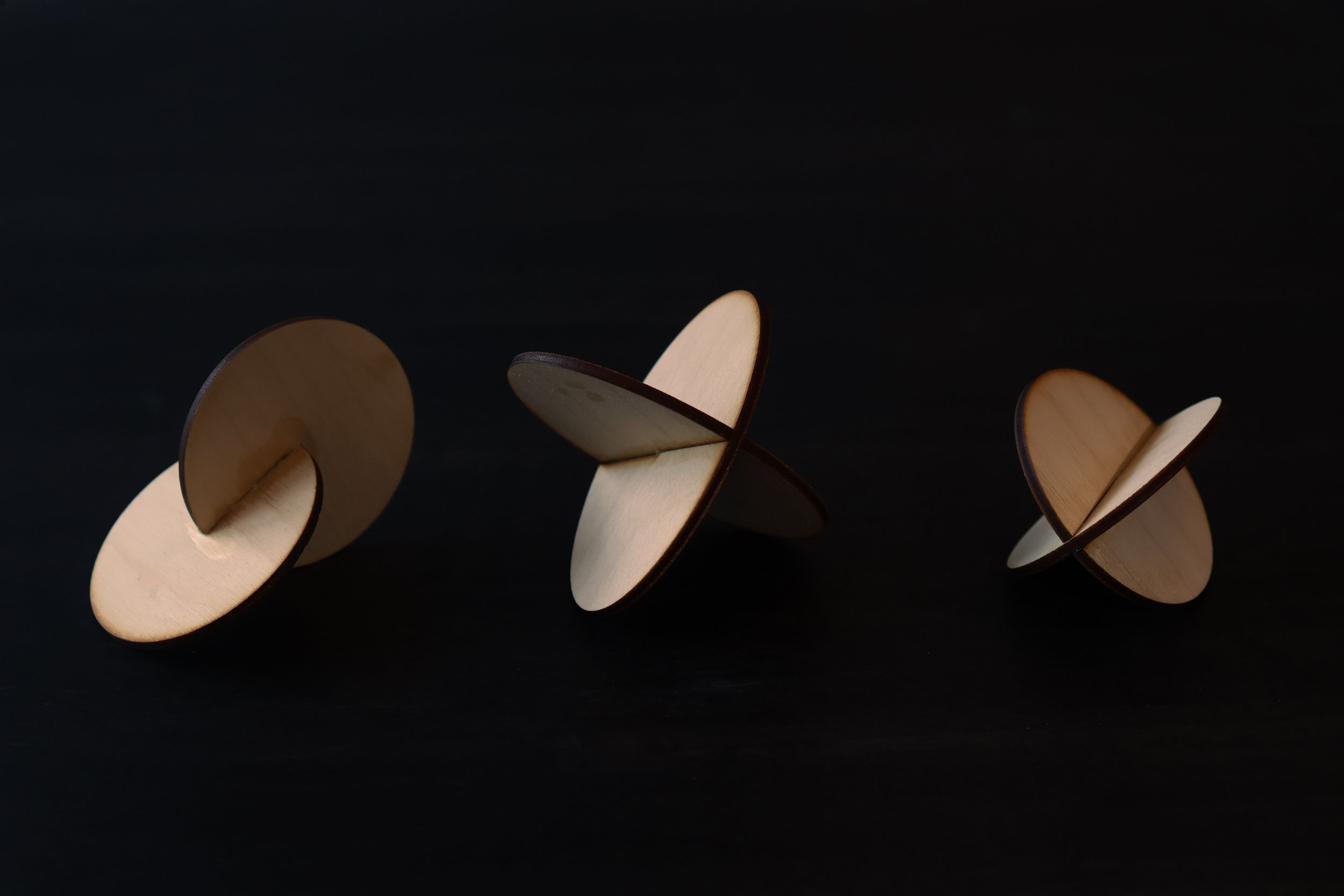
Laser-Cut Rolling Objects
//laser-cutting
//Adobe Creative Suite
//product design
-
Orthogonal assemblies that roll with a degree of visual interest for users.
Investigate geometries that would deliver such results.
-
Use Adobe Illustrator to design for laser cutting.
Employ chosen geometries in vector designs.
Integrate notch for interlocking assembly.
-
Vector design laser-cut on plywood.
Panels assembled perpendicular to each other by connecting notches with liquid adhesive.
Results
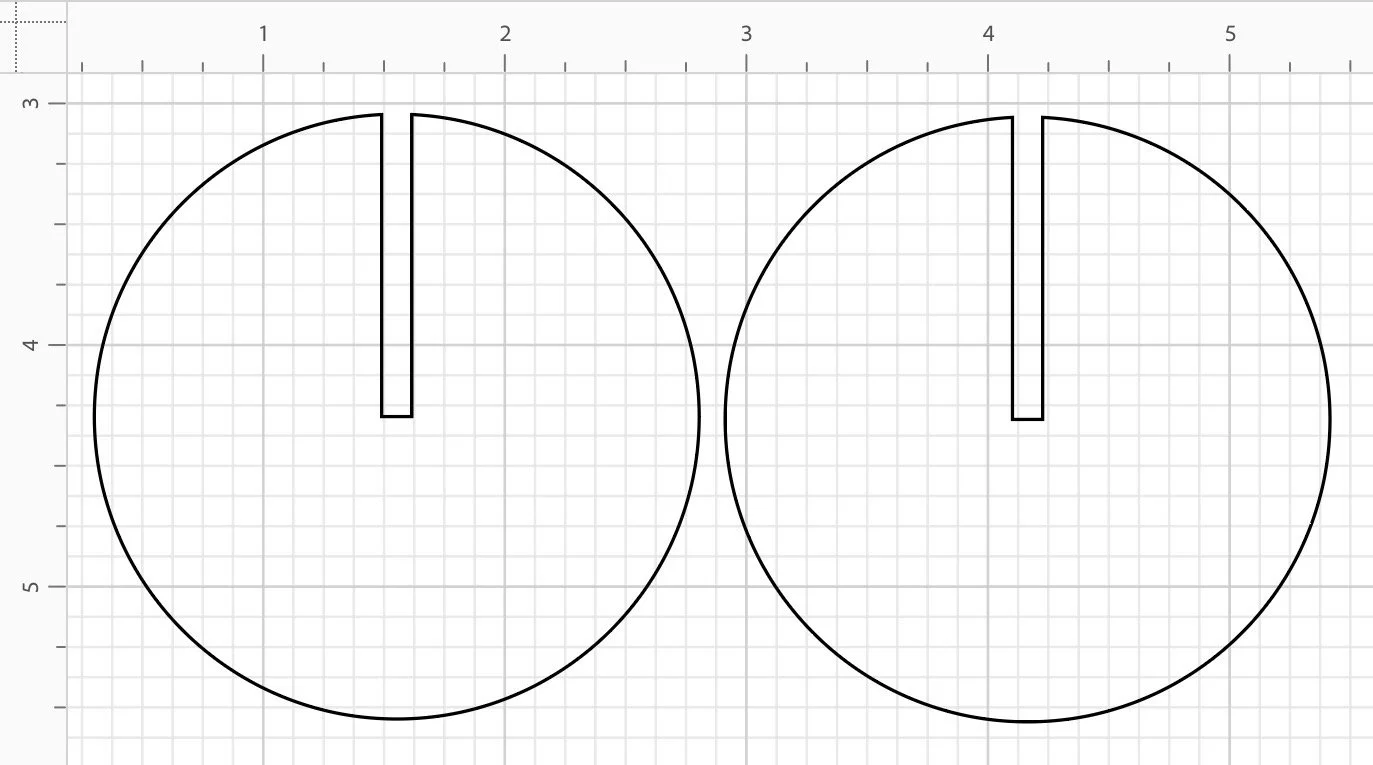

Model A: served as initial experiment, but ultimately failed at sustaining a rolling motion due to its elliptical path of rotation caused by the angle between the circular panels and surface. This essentially shrunk the shapes effective height while maintaining constant length.
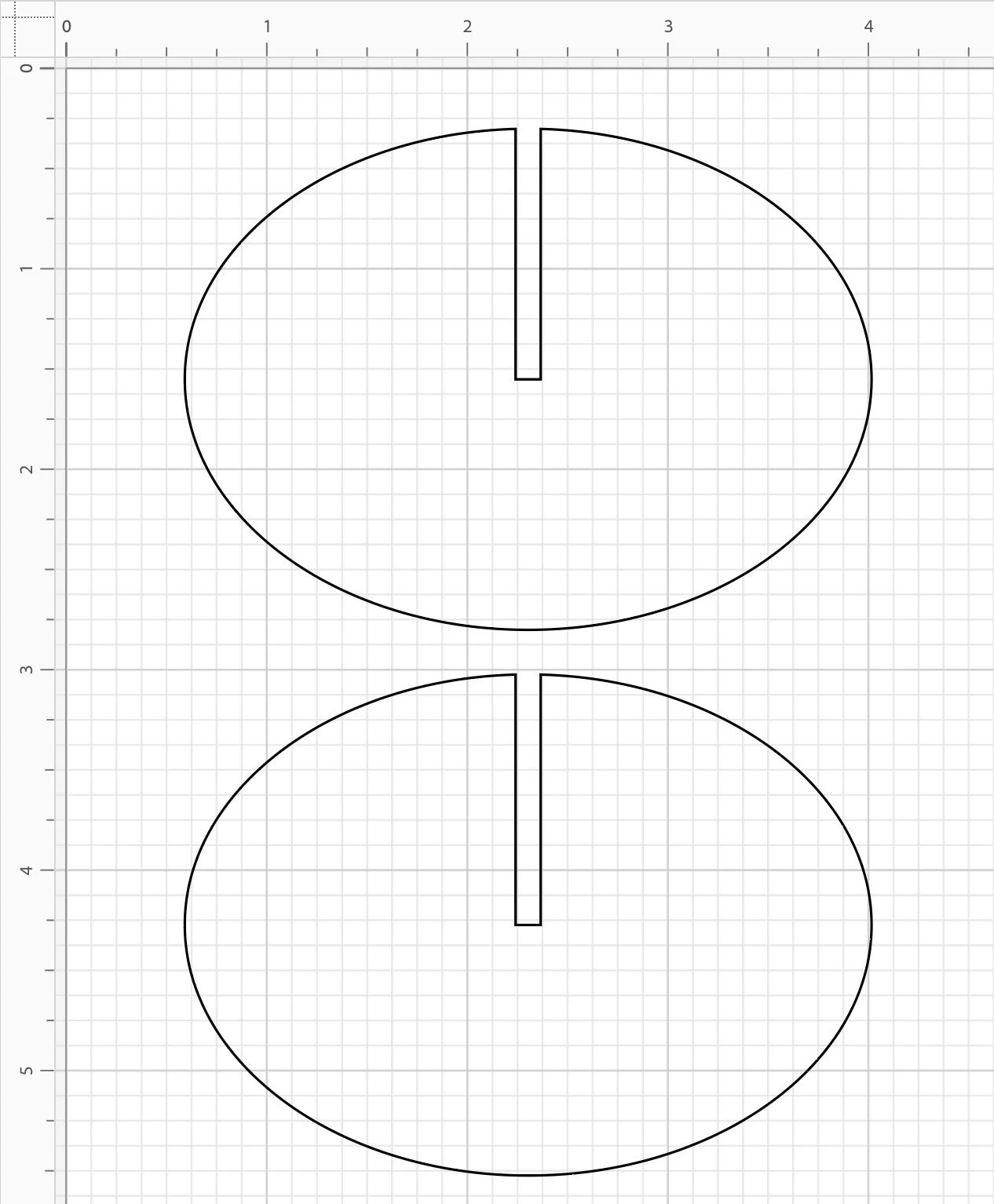

Model B: served as a reiteration of Model A. It was assembled by two oblong panels with length determined by the hypotenuse of a triangle with legs of the same length as the ellipse’s width. This allowed for a circular path of rotation about a central axis and, consequently, smooth rolling motion.
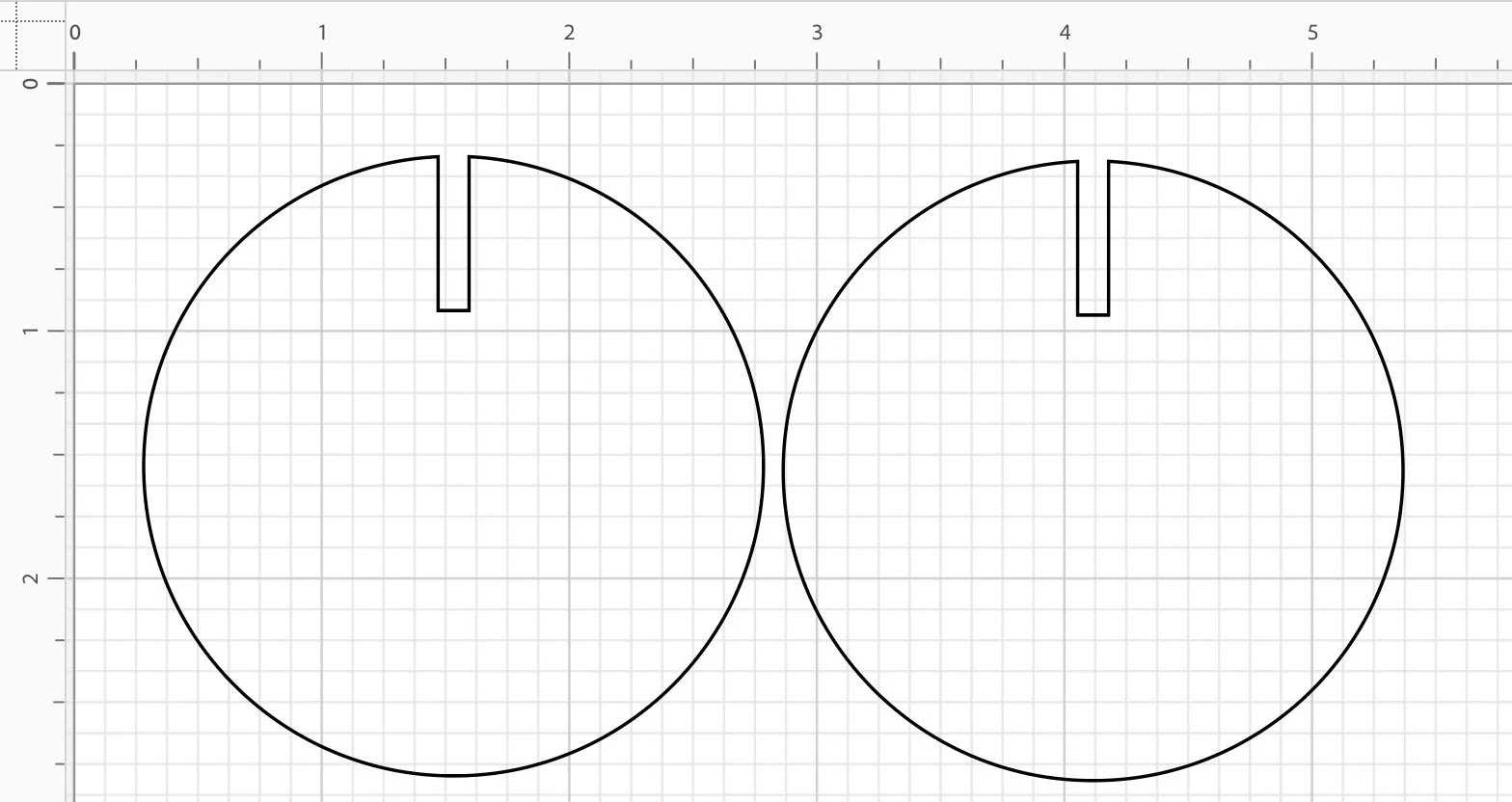

Model C: essentially the shell of a oloid, and behaves as such by rolling in a smooth wobbling motion.